 Stephen Geller Katz LCSW-R
Misophonia Cognitive Retraining Therapy
 Stephen Geller Katz LCSW-R
Misophonia Cognitive Retraining Therapy

Misophonia Cognitive Retraining Therapy, as featured on the MTV True Life episode: “I Have Misophonia” premiering Friday, December 16th, 7:00 PM EST. See Clip >
|
|
|
| Moderate to severe anxiety triggered by chewing sounds, including: | ||
|
|
|
You may also be affected by visual stimuli, such as repetitive foot or body movements, fidgeting or movement you observe out of the corners of their eyes. Intense anxiety, rage and avoidant behavior may develop as a result of misophonia.
 * Do you feel your family and friends don’t understand how much you suffer?
* Do you often feel you can just suffer through a social event where there is eating present only to find that you must “escape” before you have a panic attack?
* Do you find that some people are at first understanding and make some efforts not to make the triggering sounds in front of you, but soon forget and constantly have to be reminded, causing you to feel angry, anxious and depressed?
* Are you avoiding social activities that you enjoy because of the misophonia?
* Are you fearful of losing your job and/or is the misophonia effecting your job performance?
You may be a candidate for Misophonia Cognitive Retraining Therapy, or MCRT.
Stephen Geller Katz, LCSW-R, with over 20 years of clinical experience, a New York University graduate, developed Misophonia Cognitive Retraining Therapy and founded Misophonia Cognitive Center™ in response to the growing number of people with Misophonia coming to his private practice from audiologists and ENTs. He discovered that by helping people to retrain and reinterpret the thoughts around their Misophonia, anxiety and depression symptoms began to improve. But even more important so did the Misophonic trigger response.
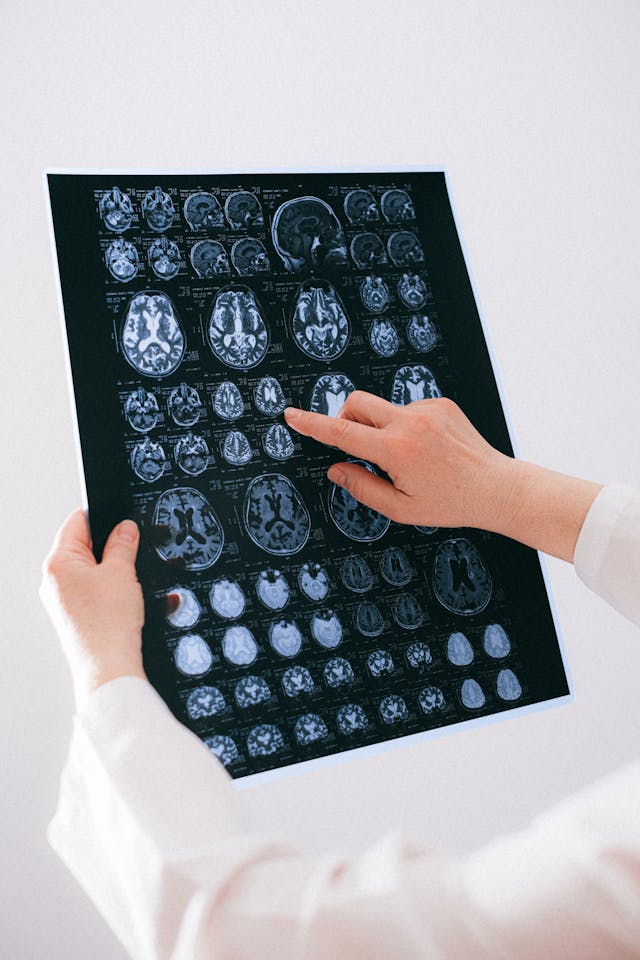 Neurological insights about misophonia from brain imaging studies are transforming how researchers and clinicians understand this complex sound sensitivity condition. Once dismissed as simple irritability or overreaction, misophonia is now being examined through advanced neuroimaging technologies that reveal measurable differences in brain structure and function. These discoveries are reshaping treatment approaches and validating the lived experiences of those affected.
Misophonia is characterized by intense emotional reactions—such as anger, anxiety, panic, or disgust—to specific trigger sounds like chewing, breathing, tapping, or pen clicking. Unlike general sound sensitivity, misophonia reactions are selective and deeply emotional. Brain imaging studies suggest that the condition involves altered neural processing pathways that link sound perception to emotional and threat-related responses.
Rather than simply hearing a sound, the misophonic brain appears to assign exaggerated emotional significance to certain auditory stimuli.
Functional MRI (fMRI) and other neuroimaging tools have identified several brain areas that show abnormal activation in individuals with misophonia:
These findings demonstrate that misophonia is not a behavioral choice but a neurologically mediated response pattern.
One of the most significant discoveries in misophonia research is increased connectivity between auditory regions and emotional centers. Brain imaging shows that trigger sounds activate emotional processing areas much more strongly than neutral sounds.
In people without misophonia, repetitive chewing or tapping sounds are filtered and categorized as background noise. In contrast, individuals with misophonia experience:
This abnormal connectivity helps explain why reactions feel immediate and uncontrollable.
Brain imaging also supports the idea that misophonia activates the sympathetic nervous system. Trigger sounds can stimulate a cascade of stress hormones and physiological changes associated with perceived threat.
Common responses include:
From a neurological standpoint, the brain interprets certain sounds as danger cues—even though they are objectively harmless.
Understanding the neurological basis of misophonia has important therapeutic implications. Because the condition involves maladaptive neural pathways, treatment focuses on retraining the brain’s response to triggers.
Therapies informed by neuroscience may include:
By leveraging the brain’s natural ability to form new neural connections, these treatments aim to reduce the intensity of trigger responses over time.
Brain imaging research provides powerful validation: misophonia is not simply “being overly sensitive.” It reflects measurable differences in how the brain processes sound and emotion. This scientific understanding reduces stigma and supports the development of targeted, effective treatments.
As neurological research continues, clinicians are better equipped to design interventions that address both emotional regulation and sound processing mechanisms. For those living with misophonia, these insights offer hope grounded in science.
MISOPHONIA COGNITIVE CENTER™
Stephen Geller Katz LCSW-R (Bio)
646-585-2251