 Stephen Geller Katz LCSW-R
Misophonia Cognitive Retraining Therapy
 Stephen Geller Katz LCSW-R
Misophonia Cognitive Retraining Therapy

Misophonia Cognitive Retraining Therapy, as featured on the MTV True Life episode: “I Have Misophonia” premiering Friday, December 16th, 7:00 PM EST. See Clip >
|
|
|
| Moderate to severe anxiety triggered by chewing sounds, including: | ||
|
|
|
You may also be affected by visual stimuli, such as repetitive foot or body movements, fidgeting or movement you observe out of the corners of their eyes. Intense anxiety, rage and avoidant behavior may develop as a result of misophonia.
 * Do you feel your family and friends don’t understand how much you suffer?
* Do you often feel you can just suffer through a social event where there is eating present only to find that you must “escape” before you have a panic attack?
* Do you find that some people are at first understanding and make some efforts not to make the triggering sounds in front of you, but soon forget and constantly have to be reminded, causing you to feel angry, anxious and depressed?
* Are you avoiding social activities that you enjoy because of the misophonia?
* Are you fearful of losing your job and/or is the misophonia effecting your job performance?
You may be a candidate for Misophonia Cognitive Retraining Therapy, or MCRT.
Stephen Geller Katz, LCSW-R, with over 20 years of clinical experience, a New York University graduate, developed Misophonia Cognitive Retraining Therapy and founded Misophonia Cognitive Center™ in response to the growing number of people with Misophonia coming to his private practice from audiologists and ENTs. He discovered that by helping people to retrain and reinterpret the thoughts around their Misophonia, anxiety and depression symptoms began to improve. But even more important so did the Misophonic trigger response.
Neurostimulation and innovative interventions for misophonia is an emerging area of research that is reshaping how scientists and clinicians approach treatment for this complex sound sensitivity condition. While traditional therapies such as cognitive behavioral therapy remain foundational, new experimental approaches are targeting the brain directly, offering potential breakthroughs for individuals who have not responded fully to conventional methods.
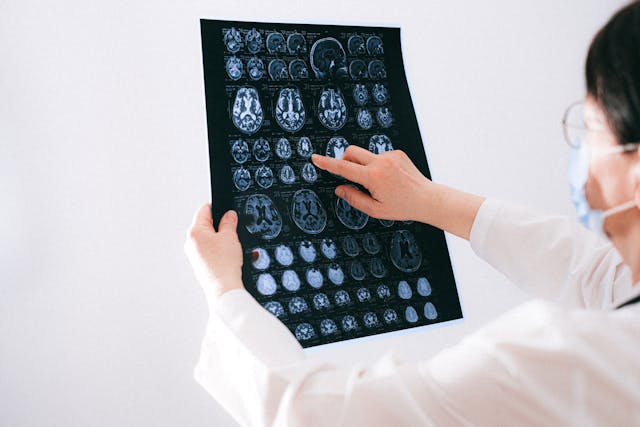
Misophonia is increasingly understood as a neurological condition involving abnormal activation and connectivity between auditory processing areas and emotional regulation centers. Brain imaging studies have shown heightened responses in regions such as the anterior insular cortex and amygdala when individuals are exposed to trigger sounds.
Because these responses are rooted in neural circuitry, researchers are investigating whether direct modulation of brain activity could reduce the intensity of emotional reactions. This has led to growing interest in neurostimulation techniques and other innovative interventions.
Neurostimulation refers to the use of targeted electrical or magnetic stimulation to influence brain activity. These techniques are already used in conditions such as depression, anxiety, and chronic pain, making them a natural area of exploration for misophonia treatment.
Some of the key neurostimulation methods currently being studied include:
These approaches aim to reduce hyperreactivity in the neural circuits responsible for misophonia triggers.
Although research is still in early stages, preliminary trials are beginning to show promising results. Current studies are exploring how neurostimulation affects both emotional reactivity and sensory processing in misophonia patients.
Early observations suggest:
However, larger and more controlled studies are needed before these treatments become widely available.
In addition to neurostimulation, researchers are investigating several other cutting-edge approaches to misophonia treatment:
These interventions reflect a growing shift toward personalized and technology-driven treatment models.
While these innovations are exciting, they are not without limitations. Neurostimulation and experimental therapies are still undergoing testing, and several challenges remain:
For now, these approaches are considered complementary to established therapies rather than standalone solutions.
Even as new interventions are being developed, therapies such as Cognitive Behavioral Therapy and Cognitive Retraining Therapy remain central to misophonia treatment. These approaches focus on retraining the brain’s interpretation of trigger sounds and building emotional regulation skills.
Innovative treatments may eventually enhance these methods by targeting the neurological pathways more directly, creating a more comprehensive and effective treatment model.
Neurostimulation and innovative interventions for misophonia what’s in trials represent an exciting frontier in research. As scientists continue to explore the brain mechanisms behind misophonia, new treatment options may become available that offer faster and more targeted relief.
For individuals living with misophonia, these developments signal a shift toward greater understanding, validation, and hope for long-term improvement.
MISOPHONIA COGNITIVE CENTER™
Stephen Geller Katz
646-585-2251