
Genetics, environment and brain wiring the etiology of misophonia explained is a critical topic for understanding why certain individuals develop intense emotional reactions to everyday sounds. Misophonia is increasingly recognized as a condition rooted in the interaction between biological predisposition, life experiences, and neural processing patterns.
Rather than having a single cause, misophonia appears to emerge from multiple overlapping factors that shape how the brain interprets and reacts to sound.
The Role of Genetics in Misophonia
While research is still evolving, early findings suggest that genetics may play a role in predisposing individuals to misophonia. Many patients report that close family members have similar sensitivities to sound, pointing toward a possible hereditary component.
Genetic influence may contribute to:
- Heightened sensory sensitivity
- Increased emotional reactivity
- Differences in auditory processing thresholds
Although no single “misophonia gene” has been identified, inherited traits related to anxiety, sensory processing, and emotional regulation may increase susceptibility.
Environmental Influences and Learned Associations
Environmental factors also play a significant role in the development of misophonia. Many individuals can trace their trigger responses back to specific experiences where a sound became associated with discomfort, stress, or emotional conflict.
Key environmental contributors may include:
- Early Exposure: Repeated exposure to irritating sounds during formative years.
- Stressful Contexts: Situations where certain sounds were linked with tension or negative emotions.
- Conditioned Responses: Over time, the brain learns to associate particular sounds with emotional distress, reinforcing the reaction.
These learned associations can strengthen neural pathways, making trigger responses more automatic and intense.
Brain Wiring and Neural Connectivity
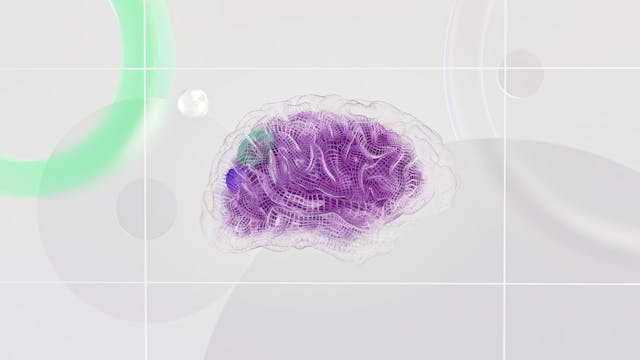
Advances in brain imaging have revealed that misophonia involves distinct patterns of neural activity and connectivity. The condition is closely linked to how the brain integrates auditory input with emotional processing.
Important neurological findings include:
- Hyperactivity in the Anterior Insular Cortex: This region plays a key role in emotional awareness and sensory integration, and it shows increased activation in response to trigger sounds.
- Enhanced Amygdala Response: The brain’s threat detection system becomes overactive, interpreting certain sounds as emotionally significant or threatening.
- Increased Connectivity: Stronger connections between auditory and emotional centers amplify the intensity of reactions.
These neural patterns explain why misophonia reactions feel immediate, involuntary, and difficult to control.
How Genetics, Environment, and Brain Wiring Interact
Misophonia does not arise from one factor alone—it is the result of interaction between genetic predisposition, environmental learning, and brain structure.
This interaction can be understood as:
- Genetic Sensitivity: A predisposition toward heightened sensory or emotional responsiveness.
- Environmental Conditioning: Experiences that link certain sounds with stress or discomfort.
- Neural Reinforcement: Strengthening of brain pathways that associate those sounds with emotional reactions.
Over time, this cycle becomes self-reinforcing, leading to increasingly intense trigger responses.
Implications for Treatment
Understanding the etiology of misophonia has important implications for treatment. Because the condition involves both learned responses and neural circuitry, effective therapy focuses on retraining the brain rather than simply avoiding triggers.
Treatment approaches may include:
- Cognitive Behavioral Therapy (CBT): Helps reframe thought patterns and reduce emotional reactivity.
- Cognitive Retraining Therapy: Targets conditioned responses and builds tolerance to trigger sounds.
- Mindfulness and Regulation Techniques: Supports emotional control and reduces physiological stress responses.
These methods leverage neuroplasticity—the brain’s ability to change and adapt—to weaken the connection between sound and emotional distress.
Moving Toward a Deeper Understanding
Genetics, environment and brain wiring the etiology of misophonia explained provides a comprehensive framework for understanding this condition. Recognizing that misophonia is shaped by multiple interacting factors helps reduce stigma and supports more targeted, effective treatment strategies.
As research continues to advance, this integrated perspective offers hope for improved interventions and a better quality of life for individuals living with misophonia.
MISOPHONIA COGNITIVE CENTER™
Stephen Geller Katz
646-585-2251